
March 2020 - September 2020
Keeping Bank Branches Open Under COVID Capacity Limits
Conversational and Product Designer
Introduction
Liberbank needed to keep its branches open under COVID-19 capacity limits, which meant enforcing appointment-only visits at a moment when its contact center wasn’t sized for the exponential spike in calls a lockdown would bring. An automated booking system had to absorb that surge instead of adding to it, and it had to ship fast: branches couldn’t operate under uncertain capacity rules for long.
I led conversational design, from Liby’s first booking flow through the personality and tone work that shaped it, and contributed to the product side of the rollout: a modular UI kit for design-engineering handoff, and a training program so Liberbank’s own team could maintain and extend the assistant after launch.
Framing
The first version had to solve one thing: appointment booking, the single most urgent case. We discarded launching broad FAQ coverage alongside it. Agile delivery on a scalable architecture meant Liby could ship that first flow in under two months, then layer in new use cases, like answering questions about digital banking products, once the urgent case was live and stable.
That sequencing was the core decision: solve the case with the clearest cost of failure first, and build the architecture so the next use case was an addition, not a rebuild.
Crafting
Booking flow and conversational design
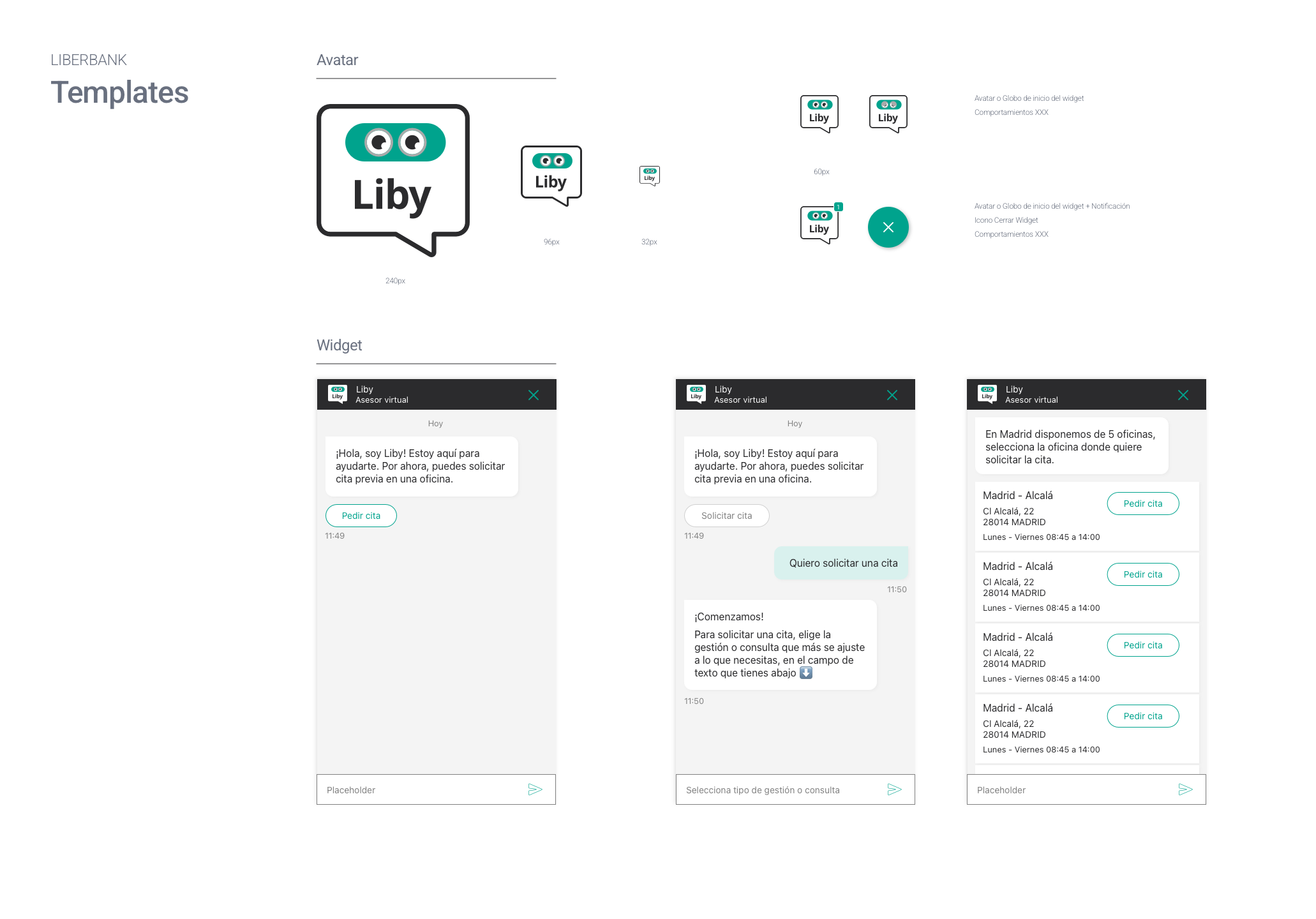
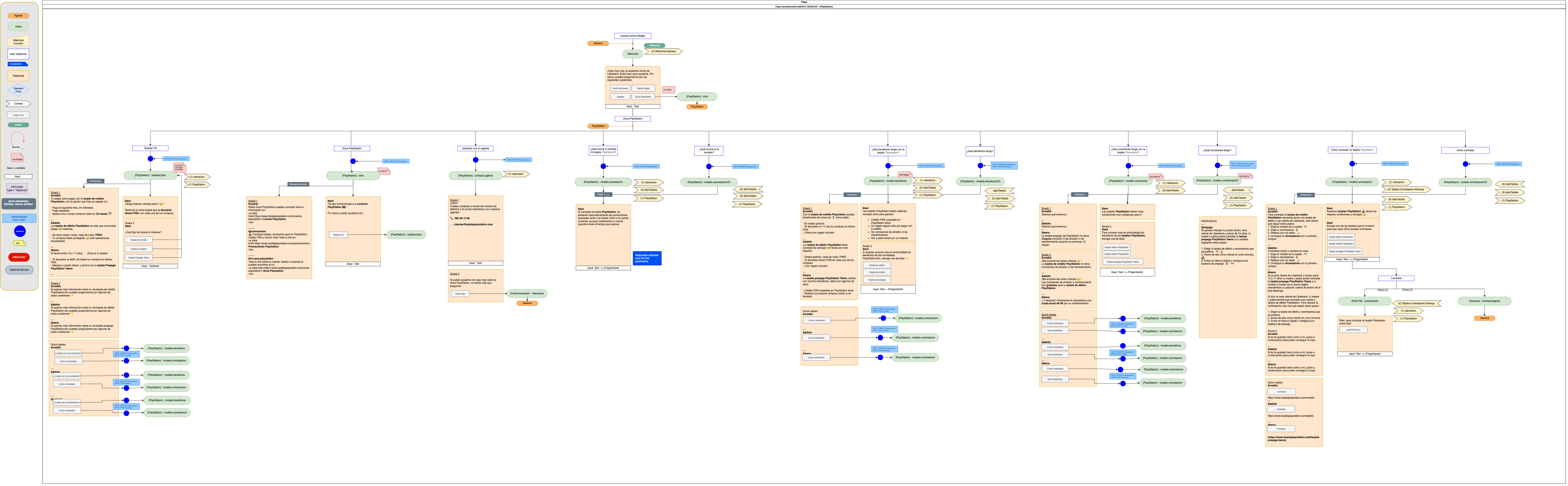
Liby walked a customer straight from intent to a confirmed slot: pick the nearest office, see real availability, and book it in the same exchange, no branch call required. Every step was designed to work for someone under pandemic stress, not just an ideal user with time to explore menus.
Personality and tone
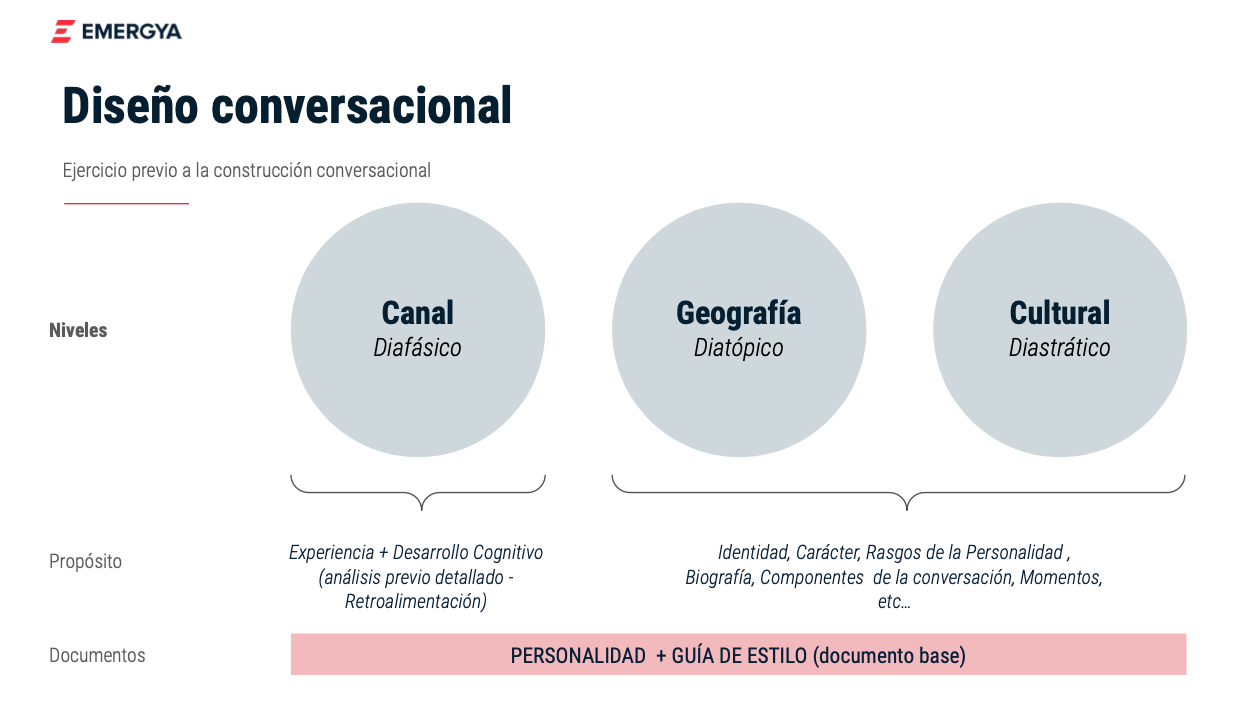
Personality and tone came out of a structured exercise across three levels, channel, geography, and cultural register, before a single conversation flow was written. That work became the style guide the rest of the team built from, so every new flow sounded like the same assistant.
Handoff and team enablement
A modular UI kit gave engineering a consistent set of components to build from instead of reinterpreting each flow’s design. Alongside it, I designed and delivered a training program so Liberbank’s own product team could maintain and extend Liby independently once the engagement ended.
Outcome
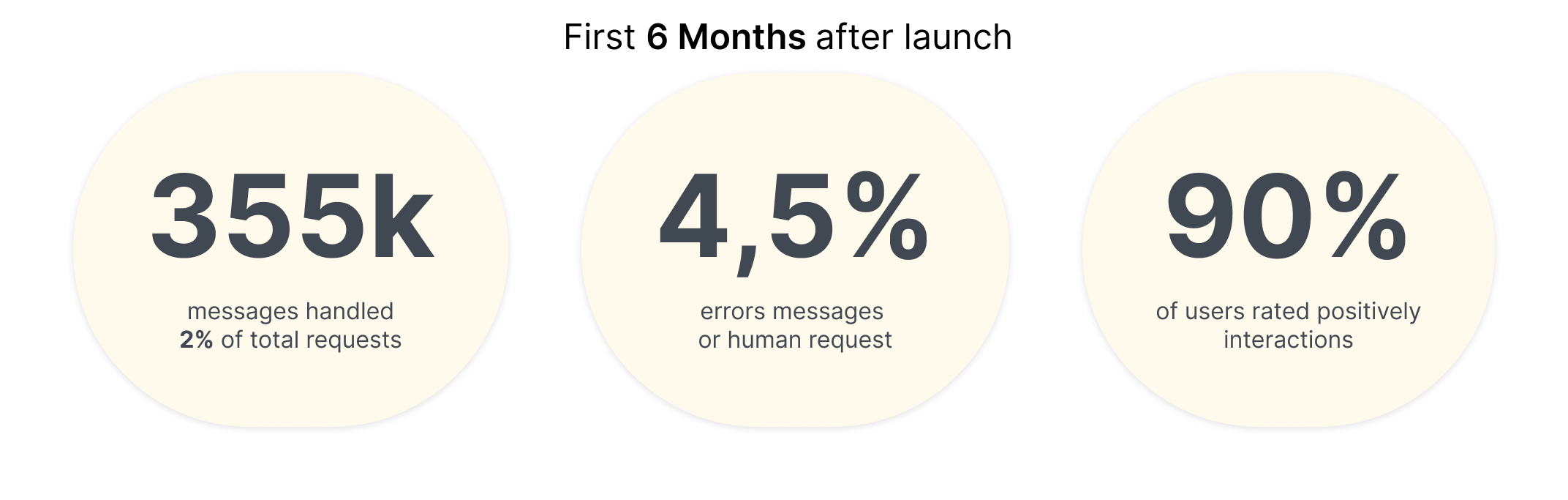
In its first six months, Liby handled 355k messages and processed 2% of all the appointment requests Liberbank received that year, without adding load to the contact center it was built to protect. Only 4.5% of messages ended in an error or needed a human, and 90% of users rated their interactions with Liby positively.
The first version shipped in under two months from a standing start during a lockdown. That speed, and the scalable architecture behind it, is what let Liberbank keep adding use cases after the initial rollout instead of starting over each time.